
Accidents happen when owners least expect them. Your furry friend might trip or fall today. You must stay calm during these stressful moments. Having a solid Dyreforsikring provides peace of mind for medical costs. But immediate action starts with your own hands. You need to assess the situation very quickly. Sometimes pet injuries look worse than they are. Other times small scratches hide deep internal pain. Now focus on the safety of the animal. Use a soft towel to restrain them gently.
Building Your Home Emergency Care Kit
Every household needs a dedicated pet medical box. You should keep this kit in one spot. Fill the box with clean white gauze pads. Add a roll of self-clinging medical tape. These tools help stop bleeding during an emergency. Include a digital thermometer for checking body heat. Sometimes a small bottle of saline proves useful. Use the saline to wash out dirty wounds. Now place your vet’s phone number inside too.
Immediate Steps for Common Household Injuries
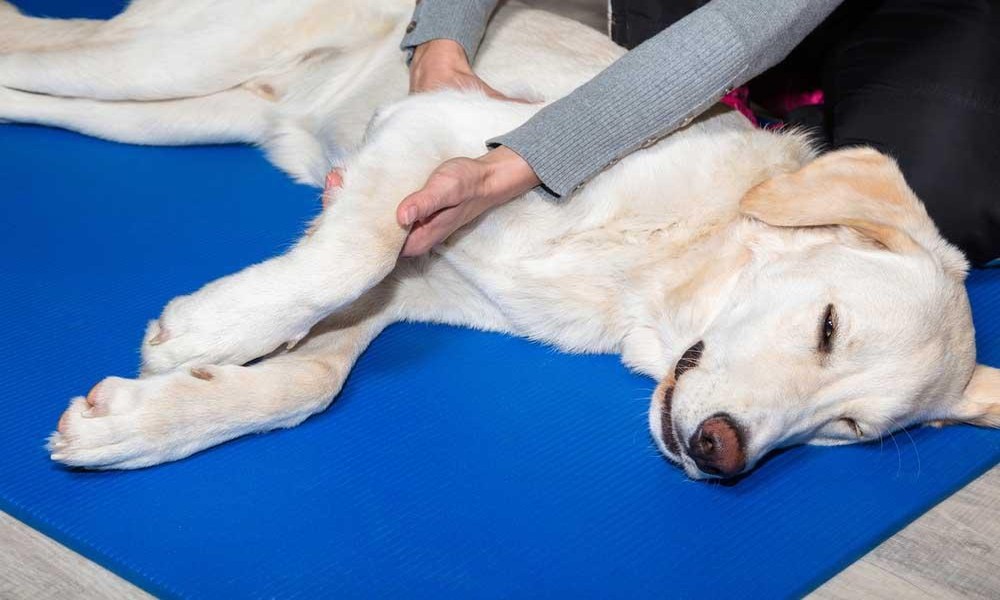
Stop the bleeding first if you see red. Press a clean cloth against the open cut. Hold the cloth firmly for several full minutes. Do not lift the cloth to check progress. Lifting the bandage breaks the forming blood clot. Now look for signs of a broken bone. A pet might limp or carry a limb. Keep the animal very still on the floor. Use a flat board for moving large dogs. This prevents more damage to the injured area. Small cats can rest inside a dark carrier.
Recognizing the Signs of Critical Distress
Sometimes the danger stays hidden inside the body. Watch for pale gums or very heavy panting. These signs often point to a state of shock. You must check the breathing of your pet. A gasping animal requires immediate professional medical help. Seizures or sudden collapse are also major red flags. Now look at the eyes for strange movements. Bloated stomachs also require a very fast response.
Creating a Safe Environment for Recovery
Healing takes time after a scary vet visit. Set up a quiet corner for your pet. Keep other active animals away from the patient. You must follow the doctor’s instructions exactly. Change the bandages according to the set schedule. Sometimes pets try to chew on their stitches. Use a plastic collar to stop this behavior. The recovery process requires a lot of patience. Watch for redness or swelling around the wound. Proper rest ensures a fast return to health. Your care helps the animal feel safe again.