
Allergies are not only a health condition to humans. Dogs can also have allergies. Some allergens affect dogs. Persistent itching and stomach issues in pets are signs of food allergies in dogs (狗 食物敏感). It is caused by common ingredients found in dog foods.
Importance of knowing food allergies in dogs?
Feeding your dog is one way of survival. Giving them the right food they need can make them happy. However, you cannot say your dog is happy because you feed them many times a day. The only way to make them happy is to feed them with the right food without causing health conditions like allergies.
Reasons why dogs are allergic to food
Some dogs show allergic reactions to particles in the air, such as:
- pollens
- molds
- dust
- tiny bits of insect bodies
Other dogs are allergic to their:
- food
- shampoo
- bedding
All these are the reasons why allergic reactions occur. There are other reasons why allergies are triggered.
For example:
Dogs are taking medicinal drugs to treat their health condition. Yet, an allergy developed due to the drug taken. Internal and external parasites can also be a cause of allergies, such as:
- mosquitoes
- ticks
- fleas
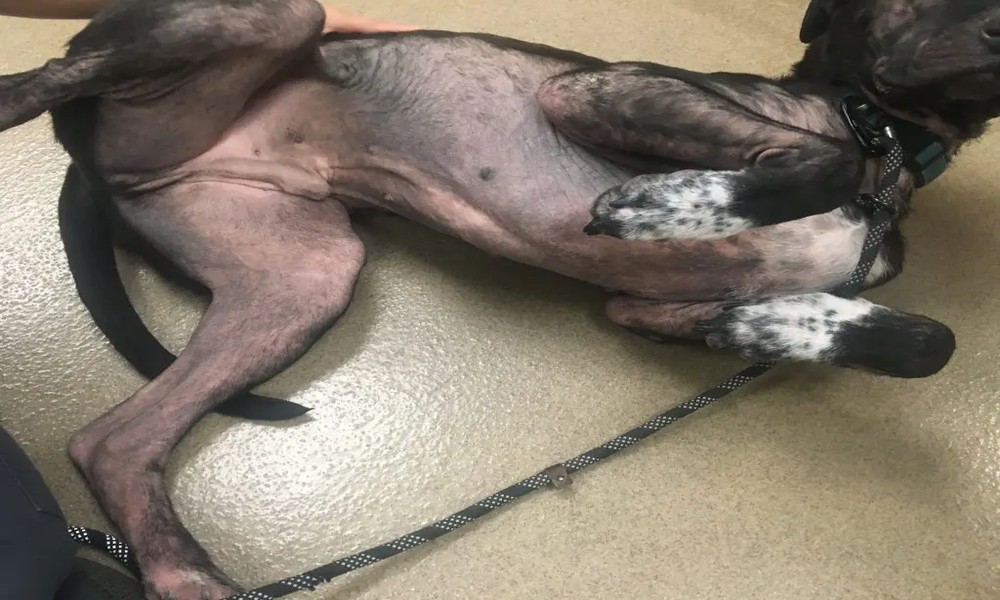
Most allergens react to dogs through their skin. The hot spots of allergies developed on skin areas where dogs scratched and licked.
Recurrent ear infections are also a cause of allergies. Allergic response is reduced through taking:
- antihistamines
- fatty acid supplements
The allergic symptoms are relieved when applied with special shampoo.
Food allergies
Dogs develop allergies from foods they have consumed even for a long time. A food trial identifies your dog’s allergen. An allergic reaction can develop to their food even if they have been eating the same diet for a long time. It is because the immune system takes time to develop antibodies to the ingredient.
Food allergies in dogs show in different ways. Each dog shows different signs. The common signs include:
- itching
- licking
- chewing on different areas of their body
- getting secondary yeast
- bacterial skin
- ear infections
- gastrointestinal signs
The signs are associated with other allergies, such as:
- environmental allergies
- flea bite allergies
Pet owners must consult with a veterinarian. This determines the underlying cause of their dog’s signs.
Common allergies in dogs
Dogs develop allergies from carbohydrates or protein they eat. Some common allergies for dogs are:
- chicken
- beef
- dairy
- wheat
- soy
- eggs
There are protein-specific foods that cause allergies.
Skin allergy treatment
There are foods to avoid when a dog allergen is identified, such as:
- treats
- supplements
- foods containing allergens
Dog food ingredients might be the reason why allergies occur in their skin. A veterinarian is the best professional who can help you address the condition of your dog. It also advises dietary change for your dog. Expect that some supplements are prescribed. Omega 3 is the most common supplement content that treats skin allergies in dogs.
FAQs
What happens when allergy occurs?
Food allergies happen when the ingredients overreact in the immune system. The immediate response can lead to various signs, including:
- itching
- gastrointestinal issues
- skin infection
What common causes of skin allergies in dogs?
Allergies developed in dogs from ingredients like:
Dogs are exposed to some common food allergies, such as:
The most common allergy in dogs is from the protein. Pet owners must know that allergies in dogs are not only caused by bacteria from the environment. The most common culprit is the food they consume as it is ingested in their body.
Are allergies in dogs treated?
Food allergies in dogs can be treated with the right medication. One effective treatment is strict dietary adjustments. The treatment involves identifying the allergen. Symptoms are managed by switching to hypoallergenic or novel protein diets.