
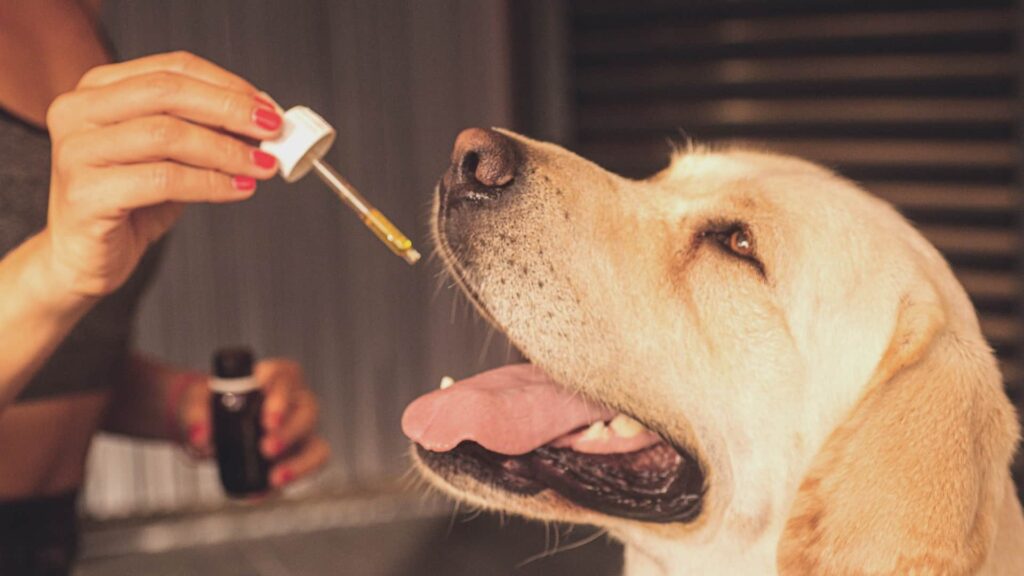
In recent years, the UK pet care industry has experienced significant growth. Pet owners are increasingly focused on providing their animals with the best possible care, from balanced nutrition to preventative healthcare.
Alongside these developments, natural supplements have become more widely discussed. One product category attracting growing interest is CBD for Pets.
Many pet owners have heard about CBD products for humans and are now curious about how these products relate to animals. Understanding how CBD works, how it differs from THC, and what the current UK regulations say is an important first step.
This article explores the basics of CBD for Pets, including safety considerations, regulatory guidance, and the growing interest in plant-based wellness products for animals.
What Exactly Is CBD?
CBD, or cannabidiol, is a compound extracted from hemp plants. Hemp is cultivated specifically to contain extremely low levels of THC.
THC is the compound that produces the psychoactive effects associated with cannabis. CBD does not create these effects and is widely studied for its potential interaction with the body’s natural systems.
Many CBD products are processed to remove THC entirely. This results in THC-free CBD extracts, which are often preferred when discussing CBD for Pets.
Unlike THC, CBD does not produce intoxicating effects. Instead, it is typically discussed in the context of general wellness support and interaction with the body’s internal systems.
Why THC-Free Products Matter
Animals can be significantly more sensitive to THC than humans. Because of this, responsible pet CBD products are typically formulated to contain no detectable THC.
Manufacturers often confirm THC levels through laboratory testing. These tests help ensure that products remain safe and compliant with industry standards.
For pet owners researching CBD for Pets, choosing THC-free products can be an important safety consideration.
Laboratory testing also helps confirm the purity of CBD extracts. Reputable companies typically publish third-party lab reports showing CBD levels, THC levels, and the absence of harmful contaminants.
This transparency has become one of the key quality indicators when evaluating CBD products.
Understanding the Endocannabinoid System
Both humans and animals possess what scientists call the endocannabinoid system.
This biological system includes receptors that interact with naturally occurring cannabinoids produced by the body.
Researchers believe the ECS may play a role in maintaining balance within the body.
The presence of this system in mammals is one reason why interest in CBD for Pets has grown among researchers and pet owners alike.
Dogs and cats both possess cannabinoid receptors throughout their bodies. Scientists continue to explore how cannabinoids interact with these receptors and how this system may support general biological balance.
However, research in animals is still ongoing, and responsible discussions around CBD focus on wellbeing rather than medical treatment.
The Role of the Veterinary Medicines Directorate
In the UK, the Veterinary Medicines Directorate (VMD) is responsible for regulating veterinary medicines and products intended for animals.
The regulatory position surrounding CBD products for animals is currently evolving.
The VMD assesses whether products marketed for animals fall under the category of veterinary medicines based on their intended use and marketing claims.
Because of this, companies discussing CBD for Pets must avoid making medical claims about their products.
Instead, the focus is generally placed on product quality, transparency, and the broader interest in plant-derived supplements for animals.
Industry Progress and VMD Submissions
Work is currently underway within the industry to develop a formal application relating to CBD products intended for animals.
Registered veterinarians and animal health product experts are collaborating to prepare scientific data and safety information for submission to the VMD.
The goal is to establish clearer regulatory pathways and quality standards for CBD for Pets.
Industry observers hope that the application may be submitted within the coming year. If accepted, this could provide further clarity regarding how CBD products for animals should be regulated in the UK.
Many stakeholders in the animal health sector believe that clearer regulatory guidance will help improve consistency and safety standards across the industry.
Choosing Quality CBD Products
If pet owners decide to explore CBD products further, quality should always be the priority.
Not all CBD products are produced to the same standard. Because of this, many experienced pet owners look for companies that prioritise transparency and laboratory testing.
Some of the most important factors when evaluating CBD for Pets include:
• Third-party laboratory testing
• Confirmation of THC-free formulations
• Clear ingredient lists
• Reliable hemp sourcing
• Transparent manufacturing processes
Companies that openly share these details tend to provide greater reassurance regarding product quality.
The Growing Interest in Natural Pet Wellness
Across the UK, interest in natural pet wellness products has grown rapidly. Pet owners are increasingly interested in supplements that may complement their pets’ daily routine.
This broader movement includes products such as probiotics, omega oils, herbal supplements, and other plant-derived ingredients.
Within this context, CBD for Pets has become a topic of growing curiosity.
Many owners simply want to learn more about how CBD works, what regulations apply, and whether high-quality products may support general wellbeing when used responsibly.
Responsible Use and Veterinary Guidance
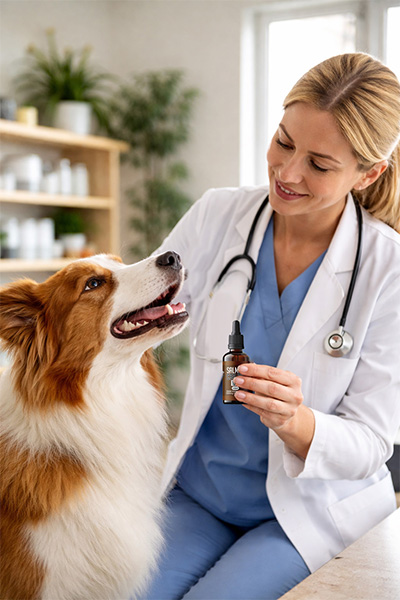
Whenever pet owners consider introducing new supplements, it is always recommended to consult with a qualified veterinarian.
Veterinary professionals understand an animal’s medical history, dietary needs, and overall health status.
CBD products are not intended to replace professional veterinary care.
Responsible discussions about CBD for Pets emphasise that supplements should be viewed as part of a broader wellness approach that includes:
• Balanced nutrition
• Regular exercise
• Preventative veterinary care
• A healthy living environment
By combining these elements, pet owners can support the overall wellbeing of their animals.
Looking Toward the Future
The conversation surrounding CBD products for animals is still developing in the UK.
As scientific research continues and regulatory frameworks evolve, the understanding of cannabinoids and animal wellness may become clearer.
The potential submission of industry applications to the VMD may help establish clearer guidance regarding product standards and regulatory expectations.
For now, pet owners researching CBD for Pets should prioritise transparency, quality assurance, and responsible product sourcing.
With continued research and regulatory progress, the future of CBD products within the pet wellness sector may become more clearly defined.