
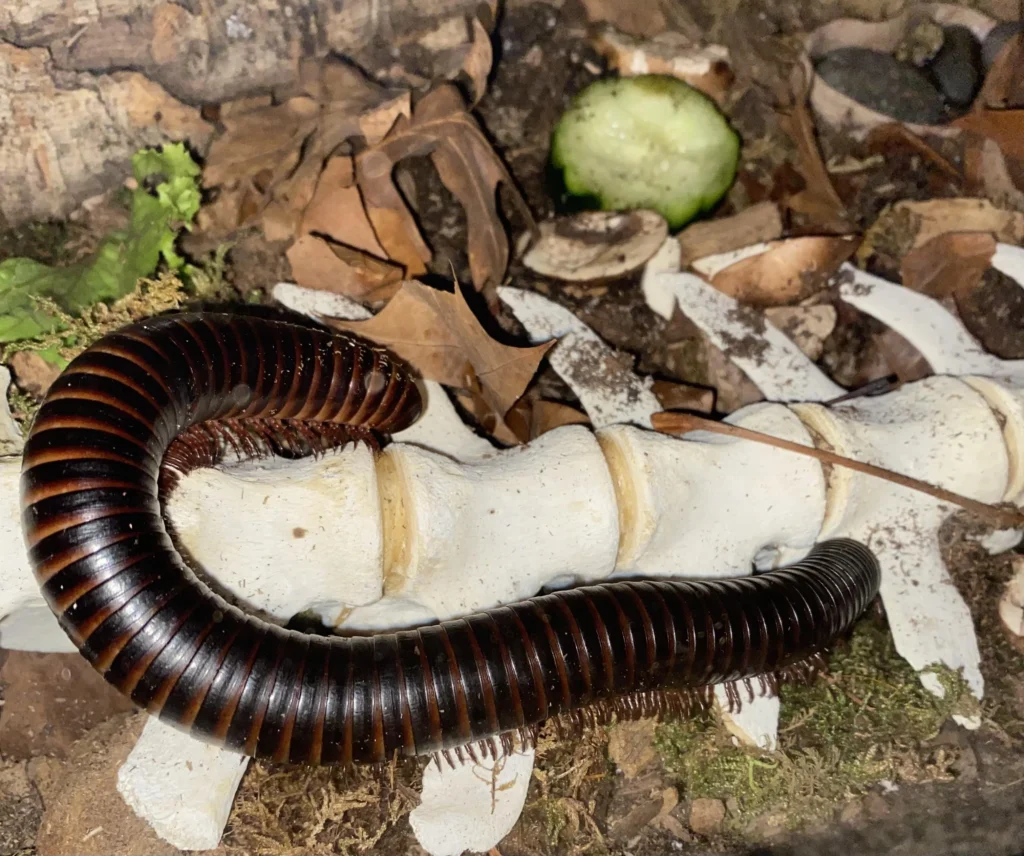
Selecting a suitable millipede species requires careful thought. Each variety differs in size, behavior, and environmental preference. Trusted sources offering postpods help narrow early decisions. Thoughtful comparison avoids future care complications. Proper preparation supports a smooth keeping experience.
Understanding Species Size And Temperament
Millipede types range greatly in length and activity level. Larger specimens often display calmer, slower movements. Smaller kinds may react quickly to disturbances.
- Giant African varieties grow remarkably long
- Woodland species favor cooler surroundings
- Tropical forms need consistent humidity
- Compact breeds fit smaller habitats
Choosing size determines enclosure proportions immediately. Temperament influences handling comfort and observation enjoyment. Matching behavior with expectations promotes long term satisfaction.
Habitat Requirements And Substrate Depth
Correct habitat setup directly affects overall wellbeing. Deep substrate enables natural burrowing behavior. Organic matter provides steady nutritional support.
- Coconut fiber holds moisture efficiently
- Decaying hardwood aids digestion
- Fallen leaves create protective cover
- Calcium sources strengthen exoskeleton health
Thick bedding supports safe molting processes. Steady humidity prevents drying and stress. Natural materials recreate forest floor conditions effectively.
How Do Climate Needs Influence Selection?
Environmental origin strongly impacts daily care needs. Humid region species require stable moisture levels. Excess dryness may trigger health concerns. Temperature changes also influence long term stability.
Warm climate types prefer higher consistent temperatures. Temperate species handle moderate seasonal variation. Studying natural habitats guides practical enclosure adjustments.
Feeding Habits And Nutritional Preferences
Diet variety promotes balanced growth and vitality. Most millipedes consume decomposing plant materials. Occasional vegetables add minor enrichment.
- Soft rotting wood supplies fiber
- Leaf litter supports grazing habits
- Small fruit portions offered rarely
- Cuttlebone provides additional calcium
Proper feeding prevents digestive issues. Excess produce encourages unwanted mold growth. Consistent nutrition supports steady development.
Which Species Suits Beginner Hobbyists?
New keepers often prefer dependable species. Larger African millipedes exhibit steady temperaments. Their slower pace reduces accidental harm risks.Hardy varieties tolerate minor care inconsistencies. Detailed guidance appears alongside reputable millipedes for sale options. Starting with resilient species builds practical confidence.
Enclosure Space And Ventilation Considerations
Adequate space minimizes territorial stress. Proper airflow prevents stagnant enclosure conditions. Secure coverings reduce escape possibilities.
- Glass tanks maintain humidity effectively
- Plastic containers allow budget flexibility
- Vent openings encourage air exchange
- Tight lids enhance enclosure security
Balanced airflow limits mold development. Sufficient floor area supports natural exploration. Thoughtful structure ensures environmental consistency.
Are Social Groupings Beneficial For Millipedes?
Most millipedes tolerate peaceful companionship. Overcrowding may create resource competition. Careful spacing determines group stability.Similar sized individuals coexist more comfortably. Housing different species requires cautious evaluation. Regular observation maintains balanced communal settings.
Lifespan Expectations And Long Term Commitment
Life expectancy varies between species. Certain varieties live five years or longer. Others surpass ten years with proper care.Long term responsibility includes substrate renewal. Ongoing monitoring supports molting and growth. Dedicated planning creates rewarding ownership experiences.